

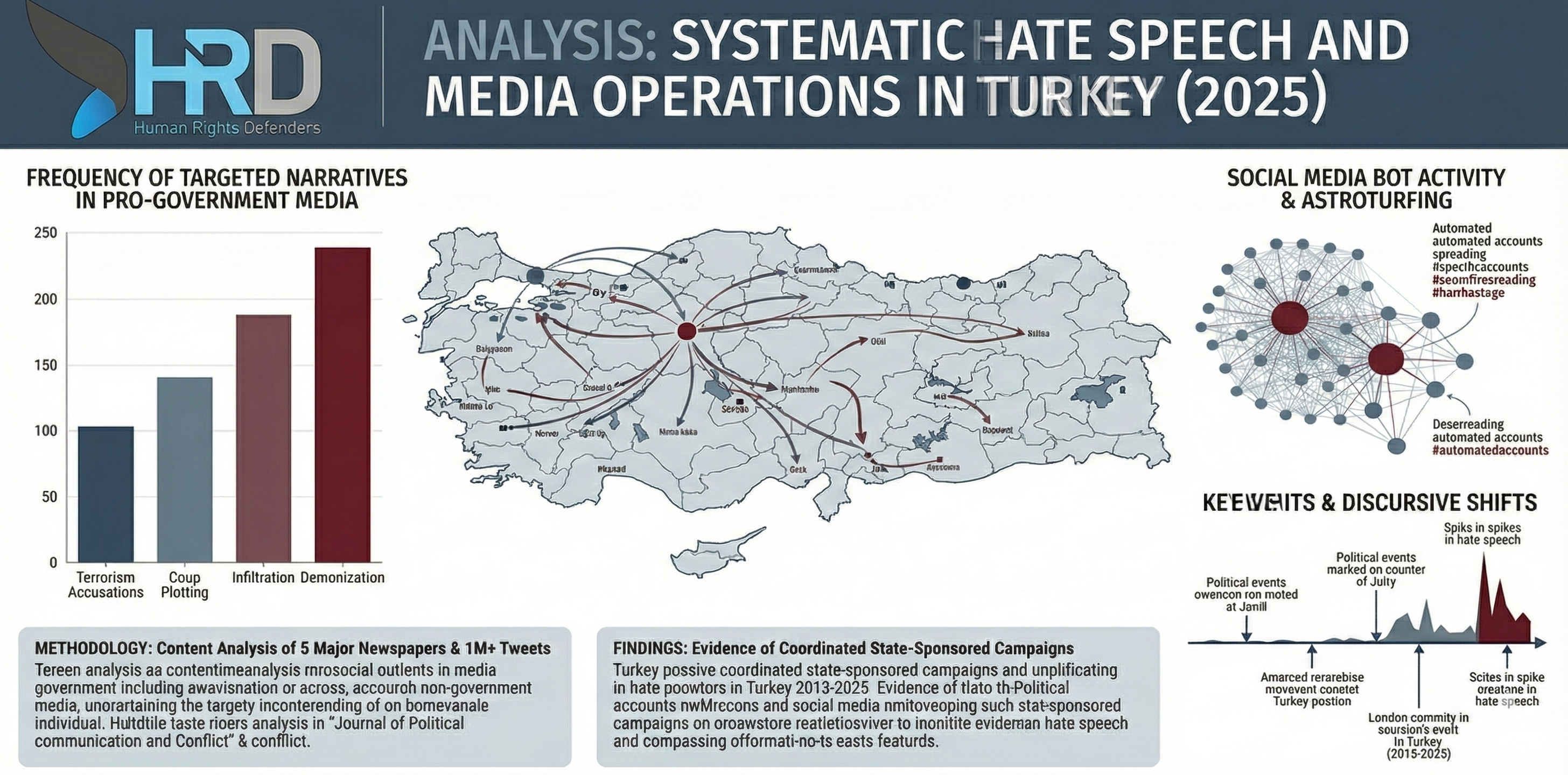
SYSTEMATIC HATE OPERATIONS AGAINST THE GÜLEN MOVEMENT IN TURKEY
Publication Date: December 2025
INTRODUCTION
This report examines the security operations conducted against individuals alleged to be members of the Gülen Movement in Turkey during October and November 2025. The report aims to reveal the scope and methods of the operations, the language used in national media, and the human rights impact of these operations. The report is based on publicly available media content, detention and arrest data, and the framework of international law. The findings demonstrate that these operations were systematic, widespread, targeted, and based on a collective criminal logic. Therefore, the operations are evaluated under the heading of “hate operations” in the report.
GENERAL ASSESSMENT
During the October–November 2025 period, across Turkey:
- More than 180 detentions
- Nearly 110 arrests
were made. The striking common characteristics of the operations are as follows:
- Accusations based on affiliation rather than criminal activity were used.
- Accusations were largely based on abstract elements such as payphone/signal allegations, assumptions of confidential imam status, social circle relationships, and witness testimonies.
- Operations were conducted simultaneously in numerous provinces, creating a sense of fear in society.
- The language used in the media is strongly stigmatizing and hostile.
- Arrest rates are high, indicating a practice of punitive detention.
When these elements are considered together, it appears that the operations are systematically targeting a specific belief/identity group rather than addressing security needs.
CHRONOLOGY AND CONTENT ANALYSIS OF OPERATIONS
1-October 3, 2025 – Operations in 30 Provinces (91 detentions, 64 arrests)
FETÖ [sic] suspects arrested in operations across 30 provinces
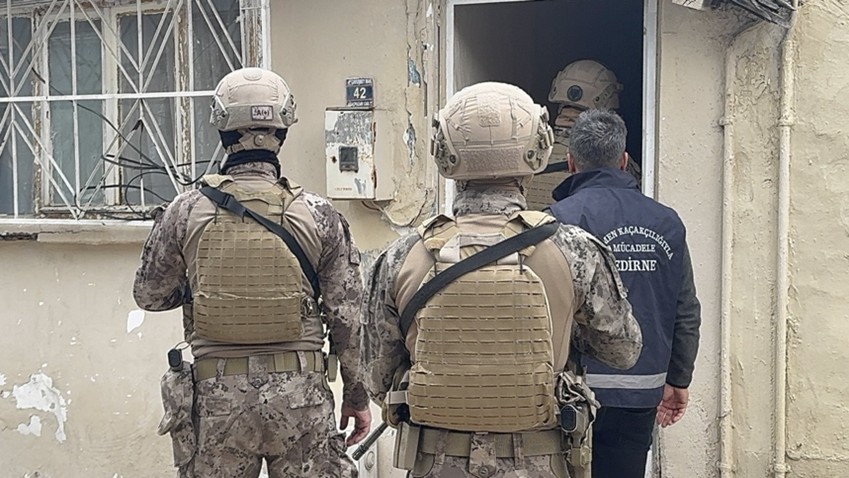
According to media reports, this operation is one of the largest raids conducted in Turkey. Most of the accusations are based on concepts of questionable evidentiary value, such as “the organization’s current structure,” “payphone contact,” and “financing.” The high arrest rate suggests that the aim is collective punishment, not prosecution.
Sixty-four out of 91 Gülenist Terror Group (FETÖ [sic]) suspects arrested were detained in operations carried out in 30 provinces over the past two weeks, Interior Minister Ali Yerlikaya said on Friday. The minister wrote on social media that the operations were conducted in coordination with the public prosecutor’s offices, the counterterrorism department of the gendarmerie force, as well as provincial gendarmerie commands. In this context, he shared that 64 of the 91 suspects were arrested during operations conducted by the gendarmerie in 30 provinces. Judicial control measures were applied to three of them, and procedures for the rest are ongoing.
Interior Minister Ali Yerlikaya shared details of operations conducted by the gendarmerie against FETÖ [sic] in 30 provinces over the past two weeks, sharing a post on his social media account. The operations were conducted under the coordination of the Chief Public Prosecutor’s Offices and the Gendarmerie TEM Department by the Provincial Gendarmerie Commands in Ankara, Antalya, Aydın, Bursa, Denizli, Edirne, Eskişehir, Gaziantep, Hatay, İstanbul, İzmir, Kahramanmaraş, Karabük, Kayseri, Kırıkkale, Kırşehir, Konya, Kütahya, Manisa, Mardin, Mersin, Muğla, Ordu, Osmaniye, Sinop, Tekirdağ, Trabzon, Uşak, Yalova, and Yozgat. It was determined that the captured suspects were operating within the current structure of the terrorist organization, that they were in contact with responsible individuals within the organization via payphones, that they were financing the organization, and that they were promoting FETÖ [sic] propaganda through their social media accounts. Of the 91 suspects apprehended as a result of the operation, 64 were arrested, and judicial control measures were imposed on three. The proceedings against the others are ongoing.
“It was determined that the suspects were operating within the terrorist organization’s current structure, communicating with responsible individuals through payphones, providing financing, and promoting FETÖ [sic] propaganda on their social media accounts. Our prosecutor’s office has launched an investigation into them,” he added.
2-October 30, 2025 – Operation in 11 Provinces, Centered in Istanbul (22 detentions, 10 arrests)
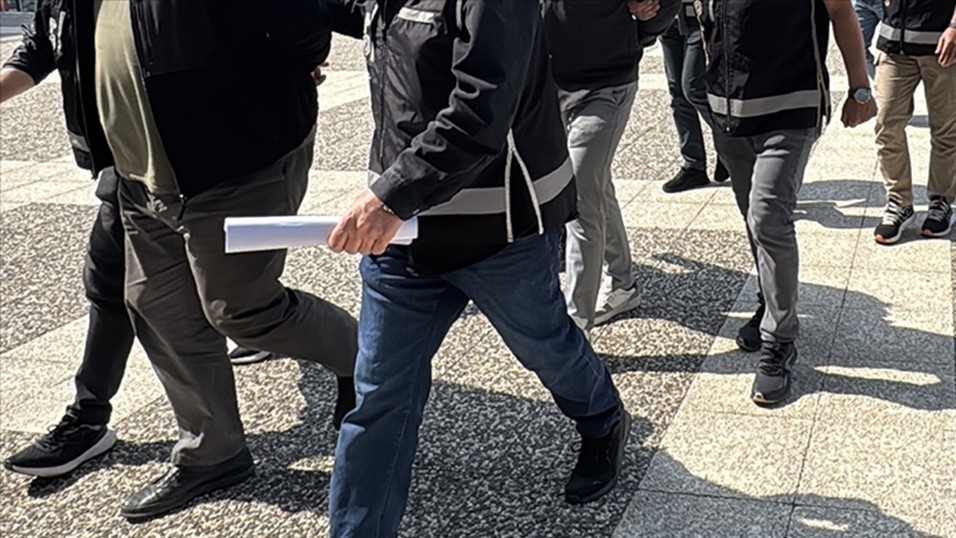
The term “secret imam structure” has been prominent in the news. A significant number of the suspects are public officials, and most were dismissed from their positions years ago.
In an operation conducted by teams from the Istanbul Chief Public Prosecutor’s Office and the Combating Smuggling Crimes Branch as part of investigations into FETÖ/PDY [sic], the 22 suspects were detained and their procedures at the police station have been completed.
Following medical checks, the 20 suspects were referred to the Istanbul Courthouse in Çağlayan. Following their statements to the prosecutor, the 20 suspects were brought before a criminal judgeship of peace with a request for their arrest. The judge ruled that 10 of the suspects be arrested and that judicial control measures be imposed on the others. Within the scope of the investigations conducted by the Istanbul Chief Public Prosecutor’s Office into FETÖ/PDY [sic], 22 suspects were identified based on confessors’ statements alleging their membership in the organization, data records on an SD card obtained from an anonymous witness with the pseudonym “Waiter,” accounts at Bank Asya that showed increases in their accounts, and sequential searches conducted as the organization’s secret communication method. In a simultaneous operation conducted on October 28 in Ankara, Elazığ, Gaziantep, Giresun, Kahramanmaraş, Kocaeli, Manisa, Mersin, Tekirdağ and Trabzon, 22 suspects were detained.
3-November 17, 2025 – Simultaneous Operation in 27 Provinces (71 detentions)
This operation targeted a large number of individuals who work or have previously worked in the public sector. The simultaneous operation model serves the purpose of intimidation and influencing mass psychology.
71 captured in raids targeting FETÖ [sic] network across 27 provinces
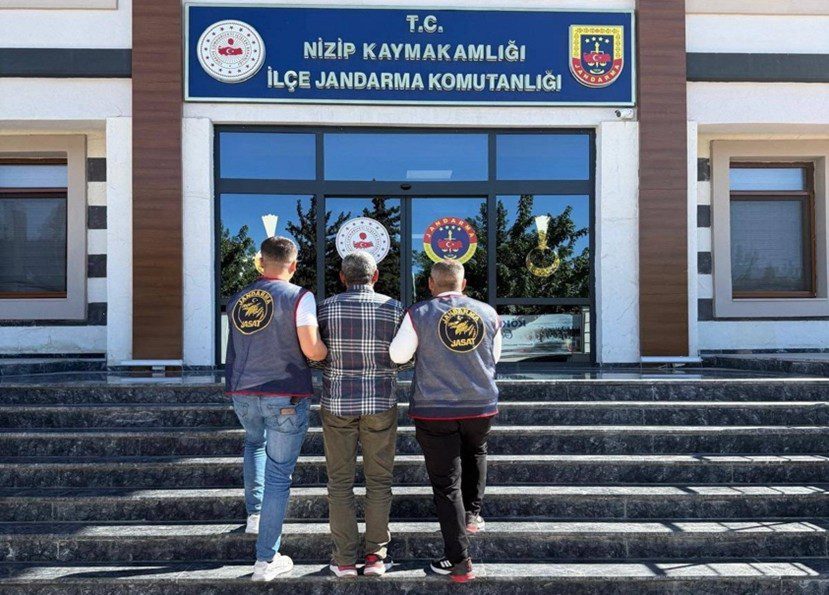
The pro-Erdogan government Daily Sabah Newspaper’s news about these operations is as follows:
Turkish authorities captured 71 suspects in coordinated nationwide raids targeting the Gülenist Terror Group (FETÖ [sic]), Interior Minister Ali Yerlikaya announced on his social media account early Monday. The operations, carried out under the coordination of the Istanbul Chief Public Prosecutor’s Office and the Istanbul Police Department, took place simultaneously in 27 provinces, including Ankara, Izmir, Antalya, Bursa, Kayseri, Manisa and Gaziantep. Teams from the Anti-Smuggling Crimes Division and the Intelligence Branch led the effort.
According to officials, the suspects include active public employees and private-sector workers who were allegedly involved in FETÖ’s [sic] network. Investigators say the detainees are accused of previously working for companies linked to the group, using its covert communication systems and operating within the group’s secretive (“mahrem”) structuring inside the police.
Authorities said the suspects were identified following months of technical surveillance, digital analysis and witness statements. The raids were conducted as part of ongoing efforts to dismantle what the government describes as the group’s remaining operational cells. Praising the teams that contributed to the operations, Ali Yerlikaya noted, “We will continue our fight with determination against those who threaten our nation’s unity and solidarity, the integrity of our state and the peace and well-being of our citizens.”
Yerlikaya’s post also included footage from the operations.
On the other hand, the Istanbul Chief Public Prosecutor’s Office also stated the operation. According to the statement, authorities targeted 80 individuals identified as secretive (“mahrem”) police imams within FETÖ’s [sic] covert police structure. Prosecutors said the suspects include 40 public-sector employees, including teachers, research assistants and medical professionals, and 40 private-sector workers. Officials remarked that several of the suspects were previously identified through informant testimony, sequential phone records used as a covert communication method, and digital evidence, such as using ByLock and transactions at Bank Asya, a bank linked to the group. The statement also said eight suspects were determined to be abroad, while 71 were detained and taken into custody. Judicial proceedings have begun, and efforts to locate one remaining fugitive continue. Ankara also accuses FETÖ [sic] of being behind a long-running campaign to overthrow the state through the infiltration of Turkish institutions, particularly the military, police and judiciary. The group faces operations almost daily as investigators still try to unravel their massive network of infiltrators everywhere. In 2024 alone, police apprehended hundreds of FETÖ [sic] suspects across the country, including fugitives on western borders trying to flee to Europe. Officials said Türkiye will continue operations with determination against individuals believed to be linked to the group, stressing that efforts aim to protect public order, national unity and state institutions.
4-November 18, 2025 – Operation Conducted by the Ankara Public Prosecutor’s Office
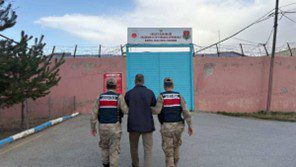
The pro-Erdogan government Daily Sabah Newspaper’s news about these operations is as follows:
The Chief Prosecutor’s Office in the capital Ankara announced on Tuesday that arrest warrants were issued for 22 suspects accused of ties to the Gülenist Terror Group (FETÖ [sic]). The suspects are allegedly part of a secret network of FETÖ [sic] within the Land Forces branch of the Turkish army. A statement by the office said warrants stemmed from an investigation into FETÖ’s [sic] “mahrem (secret) services” branch, which infiltrated the military. Suspects were communicating with each other and their “secret imams” through public pay phones in a bid to avoid detection. “Secret imam” is used to describe civilian handlers of FETÖ’s [sic] infiltrators in the law enforcement, army, etc., in the terrorist group’s jargon. Among the wanted suspects are eight active-duty soldiers, six retired soldiers, four soldiers who were earlier expelled from the army on suspicion of links to the terrorist group, three public officials and a suspect who works in the private sector, prosecutors said. Operations were launched in Ankara and eight other provinces to capture the suspects.
FETÖ [sic] thrived thanks to its widespread infiltration into key public institutions for decades. The terrorist group’s members managed to disguise themselves through secretive communication methods and by conspiring against those who detected their infiltration, through blackmail, sham trials organized by prosecutors linked to the group and other methods. Once he believed he had a sizable number of military infiltrators, the group’s leader, Fetullah Gülen, ordered them to stage a coup on July 15, 2016. The coup attempt spectacularly failed due to an unprecedented public resistance. Gülen died before his expected extradition from the United States, where he lived for years. In the aftermath of the coup attempt, Türkiye expanded its crackdown on the group, which was already underway after FETÖ [sic] members tried to overthrow the government in late 2013 through fabricated graft charges against government members.
In a speech at Parliament on Monday, Interior Minister Ali Yerlikaya announced that 1,395 suspects were arrested in operations against FETÖ [sic] between Jan. 1 and Oct. 31.
News reports indicate that this operation targeted the “secret police structure.” The charges include signal analysis, past social contacts, and witness testimonies.
The weight of the witness testimonies demonstrates the continuation of the punitive confession system. According to official information provided by Interior Minister Ali Yerlikaya, the number of members of the Hizmet Movement arrested between January 1, 2025, and October 31, 2025, was announced as 1,395.
The operations largely reveal the practice of prosecuting individuals based on affiliation rather than individual crime. Pro-government media outlets use terms like “crypto structure,” “secret imams,” and “infiltrated organization members” to create the impression of combating a mysterious terrorist organization. This language aims to perpetuate hostility, fear, and hatred toward a specific segment of society, regardless of legal process. In investigations linked to the Gülen Movement in Turkey: High arrest rates, long detention periods, and the exemption from judicial control demonstrate that arrest has become a de facto tool of punishment.
Raids conducted simultaneously in 20-30 different provinces create fear on a societal scale, creating the perception among individuals that they are at “ever-present risk of detention.” This practice directly undermines the right to freedom and security.
These operations violate international law and the principles of universal criminal justice. The abstract nature of the charges and the broad scope of the detentions meet the criteria for arbitrary detention, defined as arbitrary detention in international law, and constitute a violation of Article 9 of the ICCPR. Similarly, sentencing processes carried out solely on the basis of membership in a single group/community clearly constitute collective punishment and contravene the fundamental principles enshrined in the ECHR. The operations targeting members of the Gülen Movement constitute belief-based stigmatization and constitute a clear violation of the freedom of thought, belief, and conscience guaranteed by Article 9 of the European Convention on Human Rights.
The excessive reliance on informant testimony and the abstract nature of evidence, as well as the violation of the principle of “no crime without law”, punishing acts not considered crimes under criminal law, such as; It is a clear indication that judicial processes are conducted in a manner contrary to fair trial standards and the Right to a Fair Trial in Article 6 of the European Convention on Human Rights is clearly violated.
CONCLUSION AND ASSESSMENT
The operations conducted between October and November 2025 demonstrate the ongoing, systematic, and targeted pressure on members of the Gülen Movement in Turkey.
The common characteristics of the operations:
- crime is not individualized,
- evidence is abstract and controversial,
- the media uses hostile language,
- security operations are conducted as a tool of psychological pressure,
- arrests become a tool of punishment.
Therefore, these practices are considered hate-based discrimination, arbitrary detention, collective punishment, and violations of freedom of expression and belief under international human rights standards.
Note on Terminology:
‘FETÖ’ [sic]: [Hate label used by the regime]
“`
No comment yet, add your voice below!